From Addis Ababa to Cameroon: Putting the Youth, Peace & Security Playbook to the Test

Call For Applications Recruitment of an Organizational Development & Financial Sustainability Advisor for Cameroon YMCA
10/08/2026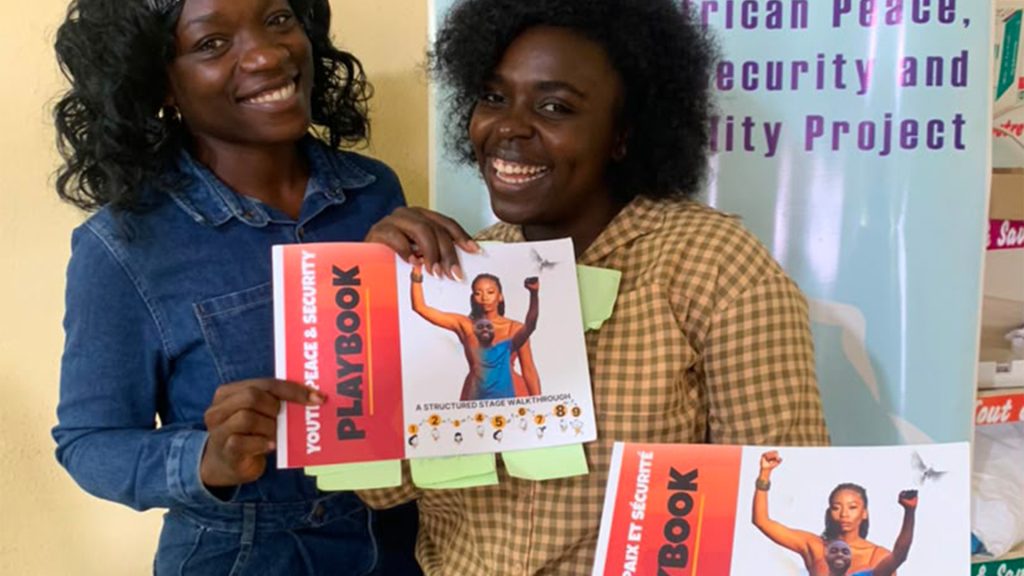
Where it began: Addis Ababa, May 2025
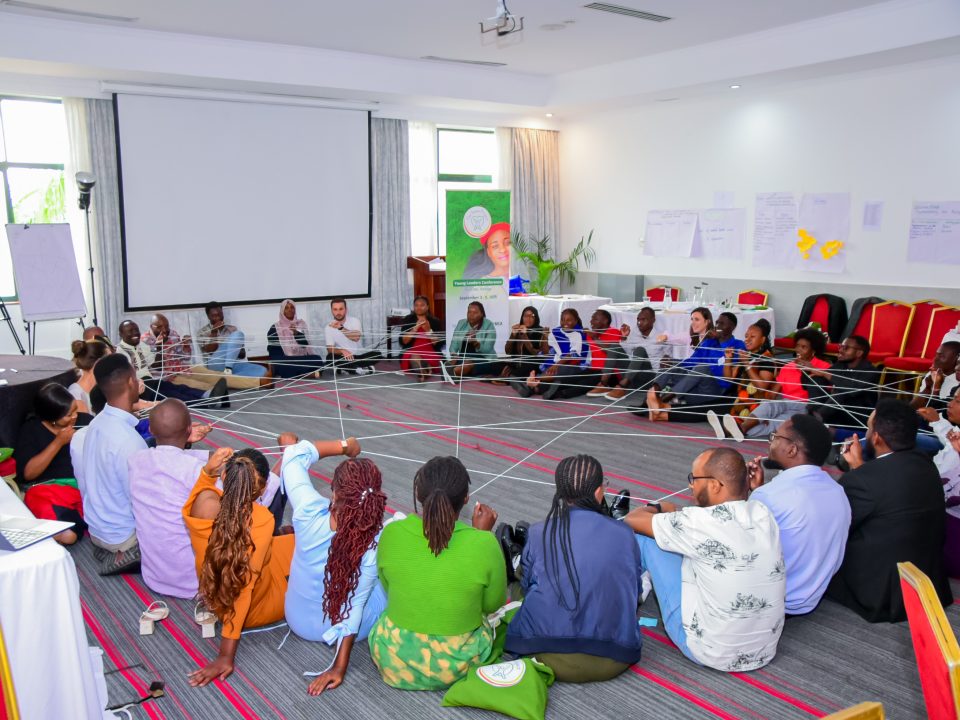
The story of the Youth, Peace and Security (YPS) Playbook started with a blank page and a bold ambition. From 5 to 9 May 2025, AAYMCA hosted a Design Sprint in Addis Ababa, Ethiopia, bringing together youth and staff from eight African countries — Ethiopia, Kenya, Gambia, Togo, Senegal, Burundi, Cameroon, and South Africa.
Facilitated by a team from AAYMCA including Lloyd Wamai, Raymond Munene, and Fion Mfenqa, the week used a human-centred design approach that treated young people not as beneficiaries, but as co-designers. Anchored in UN Security Council Resolution 2250, participants mapped shared challenges, built personas of youth advocates, and drafted the first chapters of a practical, inclusive advocacy tool. By the final day, prototypes were already being field-tested with youth from YMCA Ethiopia’s Addis Ketema branch. The Playbook was born — but it was not yet finished.
The endline test: Cameroon, August 2026
Developed under the Civic Action for African Peace, Security and Sustainability (CAAPSS) Project — implemented with YMCA Finland as part of its Development Cooperation Programme for Youth, Peace and Livelihoods 2022–2025 — the Playbook now needed one final, decisive step before it could be finalised: validation by its intended users.
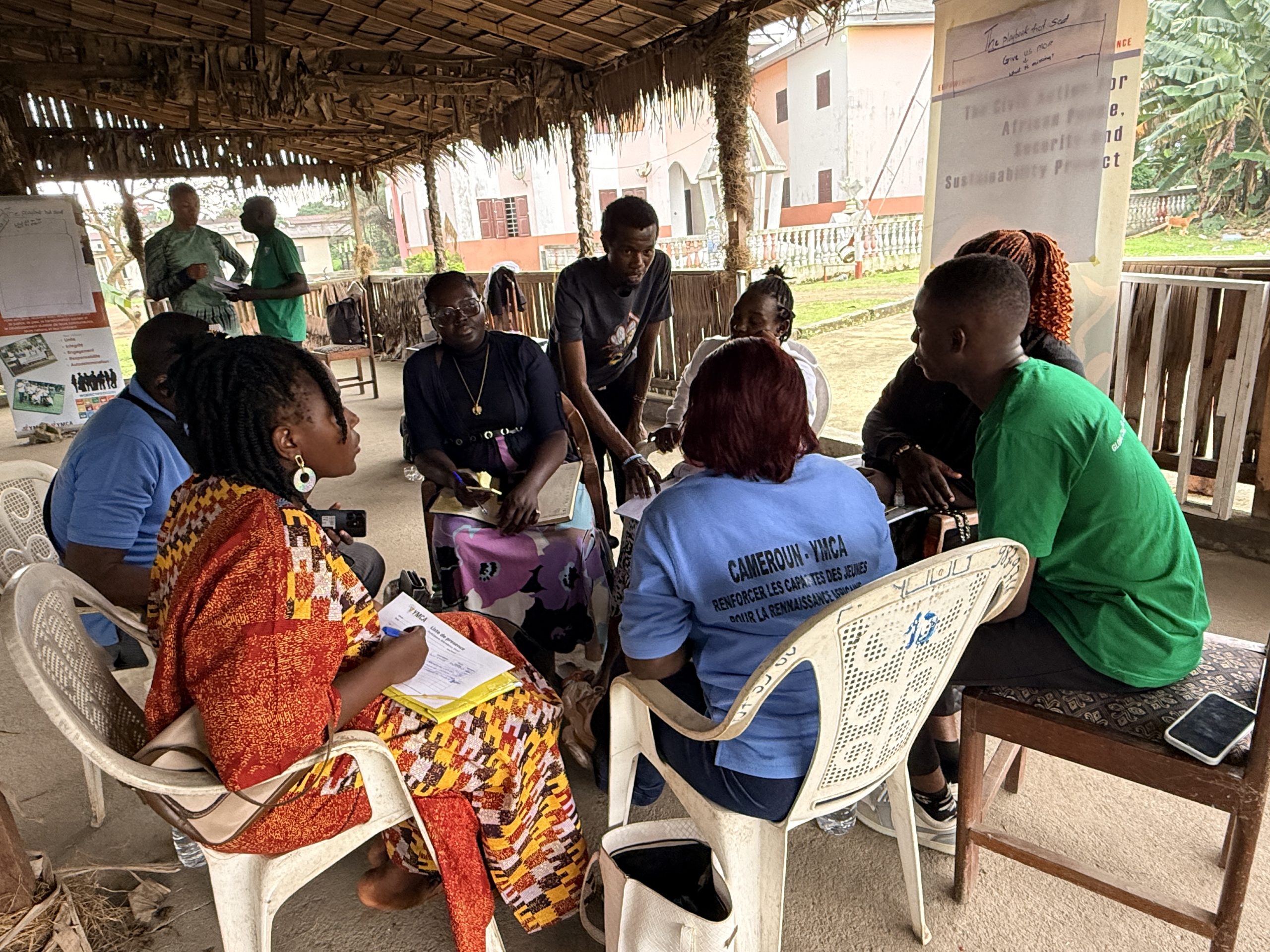
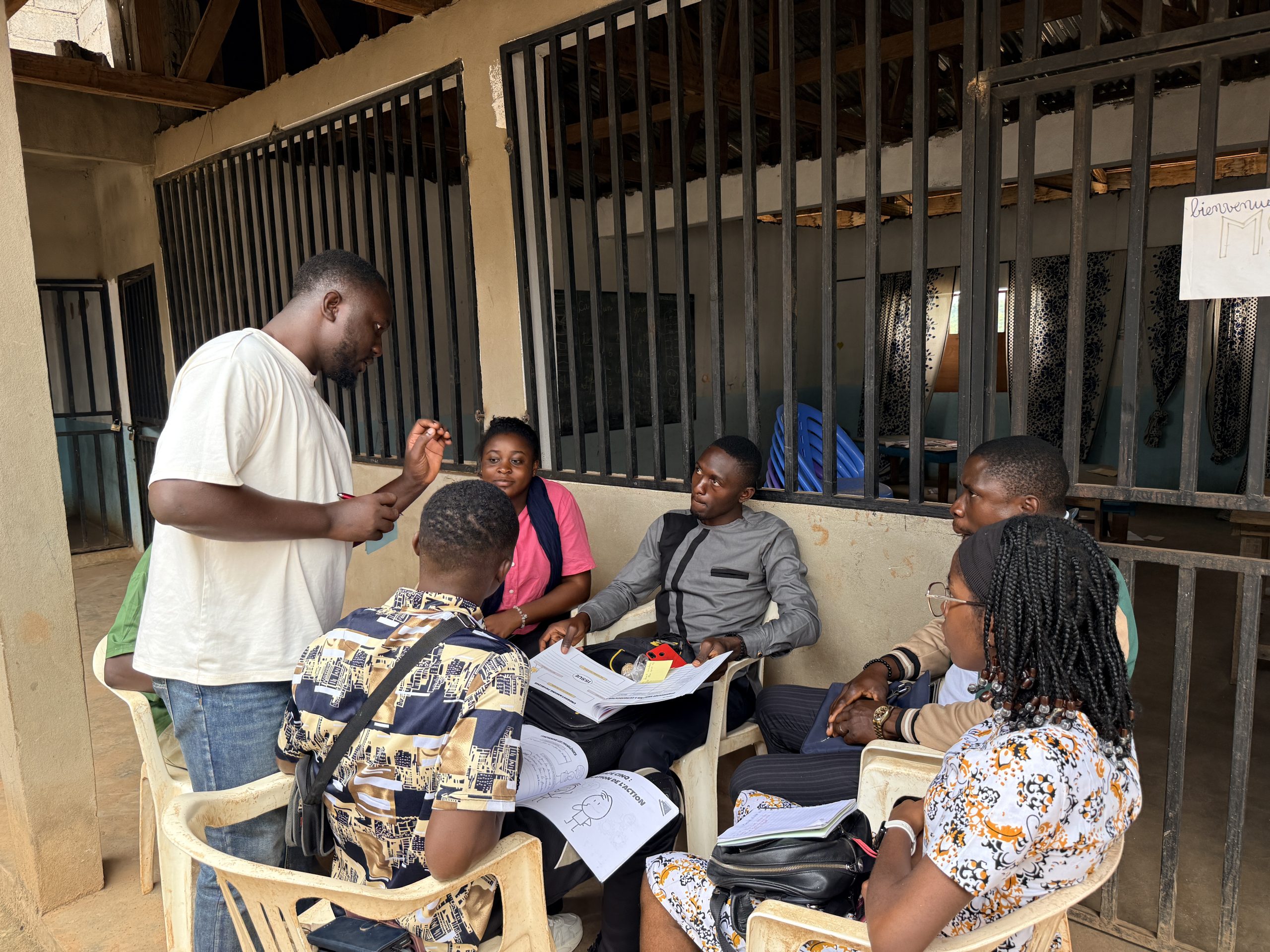
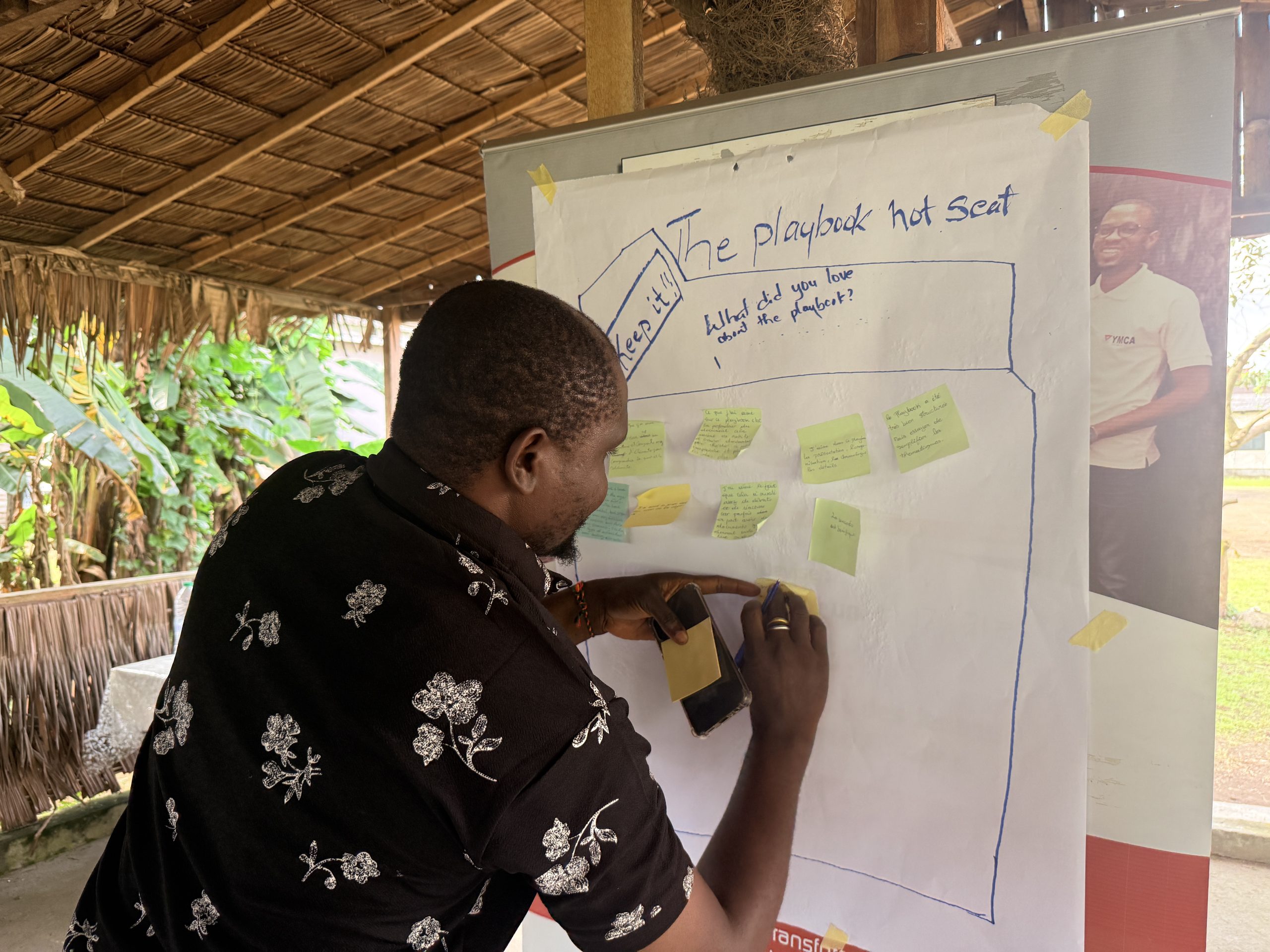
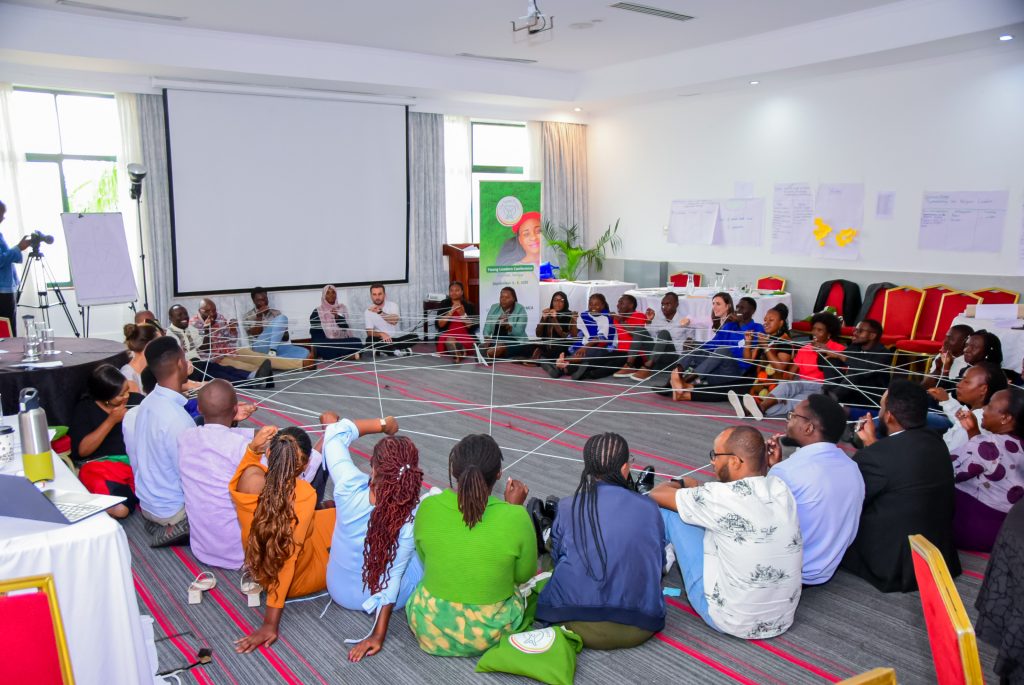
That step unfolded across three sessions in Douala and Yaoundé, engaging young people, programme beneficiaries, YMCA staff, and board members. This was not a launch event or a ceremony of endorsement. Participants were asked to interrogate the Playbook — to judge whether its language was clear, its tools practical, its concepts relatable, and its approaches usable in their own communities.
Guiding the process was a team of facilitators from the Africa Alliance of YMCAs, Lawrence Dolo and Raymond Munene, who created space for open, honest feedback and walked participants through each part of the Playbook — from its underlying concepts to the practical tools designed for use in their own communities.
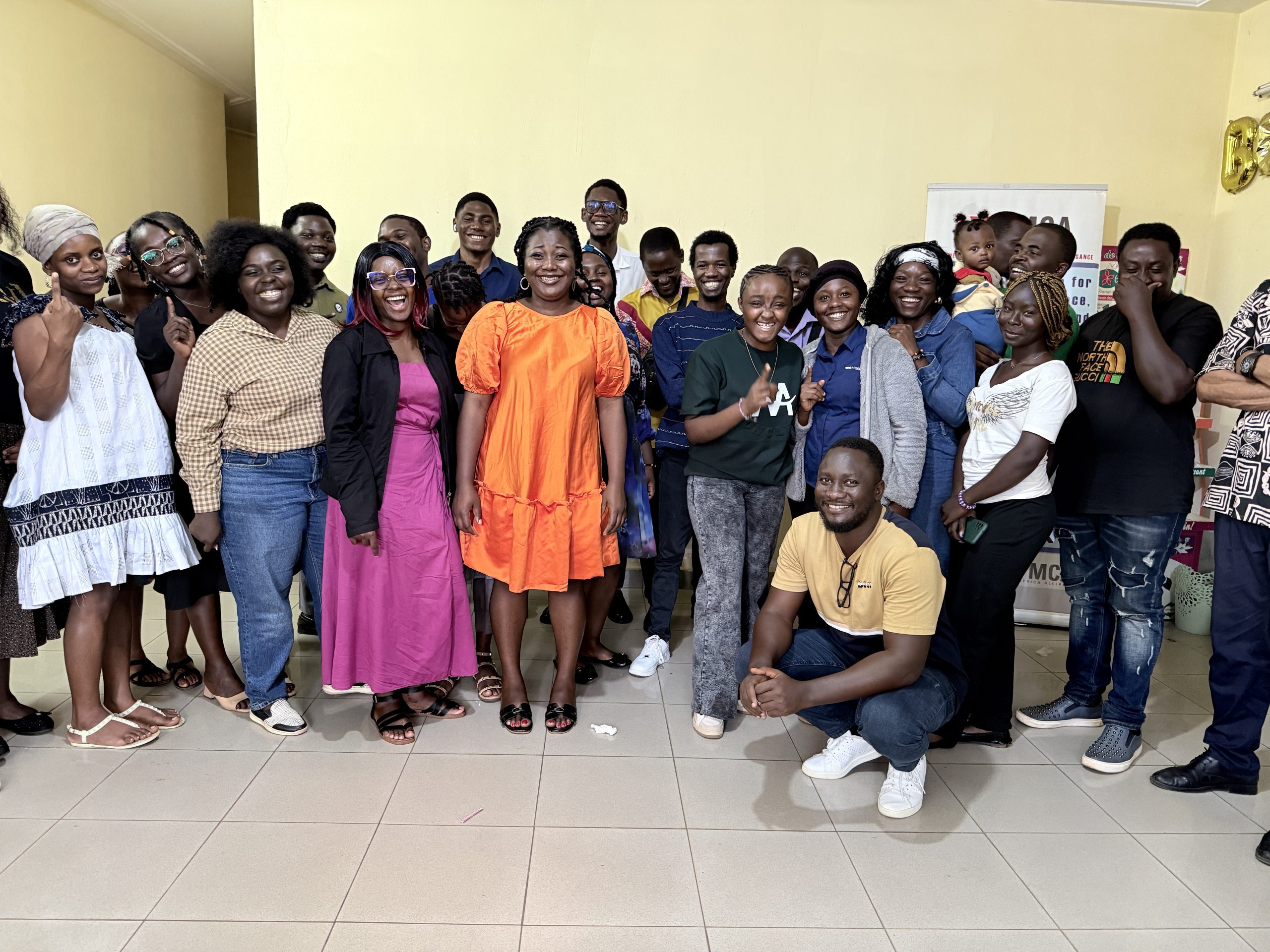
The Douala session gathered 27 participants — a deliberate mix of staff, board members, and youth — to weigh the Playbook from both an institutional and a grassroots perspective. In Yaoundé, two sessions of 28 and 24 young people and programme beneficiaries put the resource directly in the hands of its primary audience, asking the most important question of all: can young people actually use this?
What the validation revealed
Reflecting on the week, the spirit of the exercise was clear — engaging young people, practitioners, and youth-serving organisations to strengthen the Playbook and position it as a continental tool for the YMCA Movement across Africa.
- Youth leadership matters. Young people are not only beneficiaries of peace and security — they are critical actors in building peaceful, inclusive communities.
- Context matters. A continental tool must be informed by the diverse realities, experiences, and challenges of young people across Africa.
- Validation means listening. The conversations and feedback gathered in Douala and Yaoundé are making the Playbook more relevant, practical, and accessible.
- The Movement has a role to play. With its reach across the continent, the YMCA is uniquely positioned to equip and mobilise young people to contribute meaningfully to peace and security.
“The Playbook is being validated. The voices are shaping it. And the ambition is to make it a practical continental tool for youth peace and security across the YMCA Movement in Africa.” — Lawrence Dolo, AAYMCA
A clear lesson emerged from the sessions: the challenge of balancing technical credibility with practical accessibility. A resource on peace and security must be grounded enough to be credible, yet simple enough that a young person with no prior experience can pick it up and act. The feedback pointed to a handful of refinements — clearer terminology, more real-life examples and scenarios, flexibility to adapt across national contexts, and tools simple enough to use without technical support.
The road ahead
With the Cameroon validation complete, the Playbook now enters its final phase. AAYMCA will consolidate the feedback into a finished resource built to outlive the project itself — a tool that YMCA National Movements and youth structures across Africa can weave into their peacebuilding, advocacy, leadership, and civic engagement work.
From eight countries around a table in Addis Ababa to 79 voices in Douala and Yaoundé, the journey of the YPS Playbook proves a simple truth: when young people are trusted to lead — and listened to when they speak — they don’t just use the tools for peace. They build them.
The Youth, Peace and Security Playbook is a key output of the CAAPSS Project, implemented by the Africa Alliance of YMCAs in partnership with YMCA Finland, in support of UNSCR 2250 and the vision of empowering young people for the African Renaissance.

Related posts

Empowering young people across Africa through the YMCA movement — in body, mind, and spirit.
Quick Links
Get In Touch
-
AddressState House Crescent, State House Avenue, Nairobi, Kenya
-
PostalP. O. Box 60856 – 00200, Nairobi, Kenya