Youth-Led Projects Transforming Mental Health in Eastern Africa

Africa Youth Month 2025 : Youth Across Africa Turn Play Into Climate Action Through the Let’s Play Climate Games Festival
03/12/2025
Educational Empowerment of Youths Across the Mano River Union – Sierra Leone
16/02/2026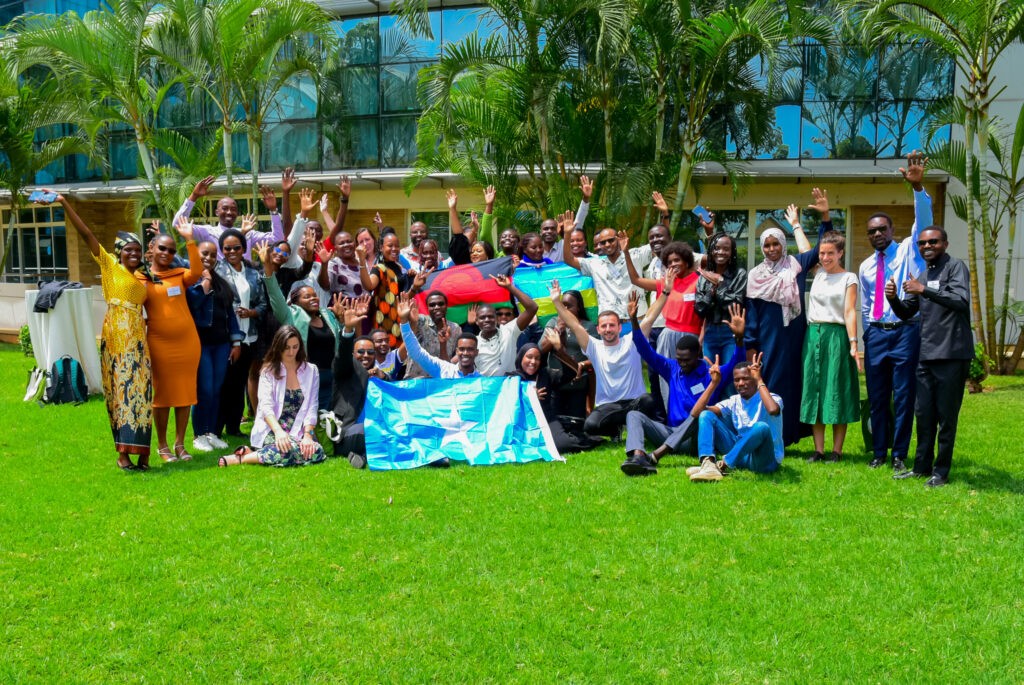
Africa is the youngest continent in the world, yet mental health remains a deeply under-resourced and often overlooked issue among its youth. But young Africans are stepping up, crafting bold, community-rooted solutions to support their peers. In 2025, the Africa Alliance of YMCAs, in partnership with the Kofi Annan Foundation and MCW Global, launched the Sawa Project to ignite youth-led mental health innovation across Eastern Africa. Through a regional Young Leaders Conference held in Kenya, SAWA CONFERENCE, 30 emerging changemakers from six countries were equipped with tools in advocacy, project design and leadership to tackle the mental health challenges their communities face.
From this cohort, TEN exceptional youth-led projects received seed funding, mentorship, and advocacy support to bring their visions to life between January and May 2026. These initiatives — based in Kenya, Malawi, Rwanda, Somalia, Tanzania, Uganda and Sudan — address a range of priorities, from mental health stigma and trauma recovery to access to care and maternal well-being. Each team is paired with a mentor from our expert network to ensure their ideas translate into sustainable, measurable impact. Together, these projects are expected to reach over 600 people, offering clear proof that investing in youth leadership is not only urgent—it’s transformational.
Below we highlight the TEN youth-led projects and how they are innovating to improve mental health in their communities:
The Resin Community: Art Therapy Meets Entrepreneurship for Healing
 Lead: Grace Mawia (Kenya)
Key focus : Combining creative therapy with vocational skills for vulnerable youth and caregivers.
The Resin Community is an innovative program addressing the twin crises of mental health distress and economic hardship among vulnerable groups in Kenya. It harnesses the therapeutic power of art by introducing creative crafts – starting with resin art, painting, and coloring, and later expanding to candle-making – as a non-verbal outlet for healing, stress relief, and anxiety management. Importantly, this project doesn’t stop at therapy; it also trains participants in high-demand craft techniques and entrepreneurial skills. Youth and caregivers learn how to create beautiful products and then market and sell their creations, turning art into a source of income. By uniting emotional wellness with economic opportunity, the Resin Community aims to foster holistic recovery and empower participants to transition from merely surviving to truly thriving.
Wellness Tent: Bridging Generations Through Traditional Games
 Lead: Emmanuel Samwel (Tanzania)
Key focus : Intergenerational mental wellness through culturally rooted play.
In the Monduli district of northern Tanzania, the Wellness Tent initiative brings together young people and elders to bond over traditional games as a gateway to honest conversations about mental health. Built on Primetel’s existing community mental health program, which already provides counseling, school clubs and outreach, this project adds a mobile “wellness tent” that travels to communities. Under the tent, youth and wazee (elders) engage in familiar games like bao, rede and kete – playful activities that help build trust across generations. Once the games conclude and laughter fades, trained community health workers and counselors create a safe, stigma-free space for kuzungumza kwa uwazi (open conversations). In these relaxed group discussions, participants share feelings, learn coping skills and get information on where to seek help. Those who need extra support are connected with care services at Primetel. By turning beloved michezo ya jadi (traditional games) into structured healing moments, the Wellness Tent normalizes talking about mental health, strengthens community support networks and ensures everyone knows where to find compassionate care close to home.
Rafikey Pilot II – Healing & Growth for Children (2–9 Years)
Lead: Jawadi Masudi (Tanzania)
Key focus : Trauma-informed play therapy and tech for at-risk young children.
Rafikey Pilot II builds on an earlier successful pilot to support young children who have experienced trauma or adversity. Rafikey Co. Ltd. is Africa’s first trauma-informed EdTech and HealthTech platform serving children aged 2–13 through play, conversation and evidence-based interventions. This second pilot focuses on high-risk kids – such as orphans, street-connected children, neurodivergent learners and those from vulnerable households – providing them with therapeutic play kits and guided activities for emotional healing. The first pilot deployed 55 locally made Mama+Me and Rafiki+Me kits across 10+ institutions, achieving 88% engagement, 3× faster growth in children’s emotional vocabulary, and a 40% reduction in anxiety. Building on that success, Pilot II is refining the kits with higher-quality materials, updated clinical content, and AI-linked monitoring to better track each child’s progress. The project is also training counselors and engaging with policymakers to strengthen a supportive ecosystem, all while gearing up for Rafikey’s official launch at the regional Mental Health Summit in May 2026. By marrying playful learning with rigorous evidence and tech innovation, Rafikey Pilot II seeks to ensure strong clinical impact, affordability for communities, and long-term viability as a startup.
Reducing Stigma Around Menstruation and Mental Health in Sudan
 Lead : Chuka Ajar (Sudan, based in Kenya)
Key focus : Menstrual health education and support to improve girls’ mental well-being.
In Gidel, a remote community in the Nuba Mountains of Sudan’s South Kordofan region, many girls and women face severe challenges during menstruation. Poverty, cultural taboos and a lack of sanitary products mean that adolescent girls often miss school and avoid daily activities when on their period. Lacking pads, accurate knowledge, or a supportive environment, they endure shame and isolation that erode their self-esteem and cause anxiety – ultimately affecting their mental health and academic performance. This youth-led project aims to break the vicious cycle of menstrual stigma and its mental health impacts. The team provides essential sanitary pads and health education while building a community support network for women and girls. By equipping girls with proper supplies and information, they can manage menstruation with dignity and confidence. A driving inspiration for Chuka was the tragic story of a girl who died by suicide after being shamed and laughed at by boys at school due to a period stain on her clothes. Determined to change such narratives, Chuka’s project fosters open dialogue about menstrual health, promotes empathy among community members, and creates a respectful, supportive environment for girls in Gidel. Ultimately, by normalizing menstruation and ensuring no girl is left to suffer alone, the initiative hopes to boost girls’ self-worth, mental well-being and chances to thrive in school.
Healing Circles for Young Mothers
Lead : Julius Ochieng (Kenya)
Key focus : Support groups on campus for student mothers facing stigma and stress.
Balancing schoolwork, childcare, and financial pressures is tough for any young mother – and tougher still when you’re facing stigma and isolation. At Butula Technical and Vocational College in western Kenya, many student mothers quietly struggle with emotional stress, social judgment, and a lack of support. The Healing Circles for Young Mothers project creates a safe haven for these women. It establishes weekly group sessions (or “healing circles”) where young mothers can come together to share their experiences and challenges without fear of judgment. Led by trained peer supporters and a professional counselor, each circle provides emotional support, practical coping strategies, and a much-needed sense of community. Sessions include open discussions about mental health, informative segments on managing stress, and stress-relief activities like journaling, art therapy, and mindfulness exercises. To ensure mothers can attend without worry, the project also arranges childcare during the meetings, along with refreshments, materials, and basic training opportunities for the participants. By strengthening these women’s mental resilience and social support systems, the healing circles aim to reduce stigma on campus and help young mothers stay in school and succeed academically. It’s about affirming that young mothers belong in college and deserve the same opportunity to thrive as anyone else – with a little extra support to make it possible.
The Mother Mind Project: Supporting Perinatal Mental Health
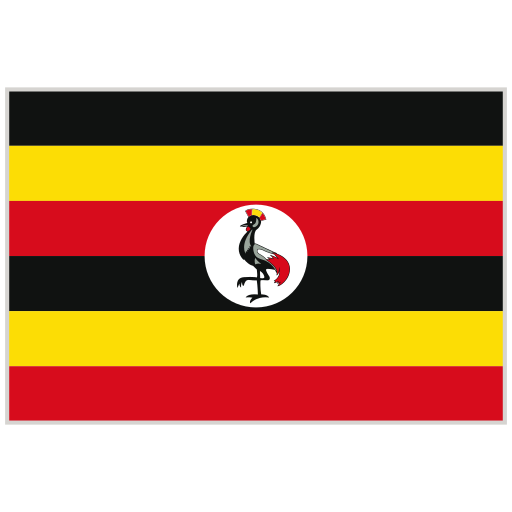 Lead : Mariam Nambooze (Uganda)
Key focus : Maternal mental health awareness and support for expecting and new mothers.
The journey to motherhood is often joyful, but it can also bring unexpected mental health challenges. The Mother Mind Project in Uganda shines a light on these perinatal mental health challenges – conditions like prenatal or postpartum depression, anxiety, psychosis, and other forms of psychological distress that are often overlooked. This initiative’s mission is to ensure that pregnant women and new mothers receive the mental health support they need at every step of the maternity journey. To do this, the project is integrating mental health services into routine antenatal (pre-birth) care and postnatal follow-ups, so that checking on a mother’s emotional well-being becomes as standard as checking vital signs. It also involves community education campaigns to raise awareness about perinatal mental health, helping families and communities recognize the signs when a mother is struggling. Crucially, the Mother Mind Project encourages men’s involvement in maternal and child health, inviting fathers and partners to be part of the conversation and support system. By preparing mothers psychologically for labor, childbirth, and the changes after a baby arrives, this project empowers women to cope with challenges and thrive in motherhood. Through media outreach and local workshops, it is breaking the silence around maternal mental health and building a community where seeking help is seen as a strength, not a weakness.
ACEs Prevention Among Adolescents
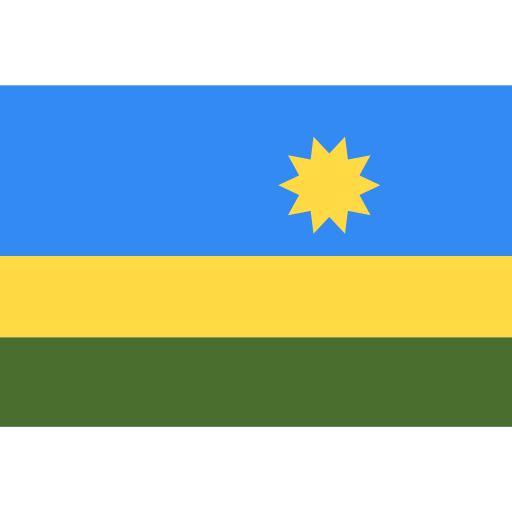
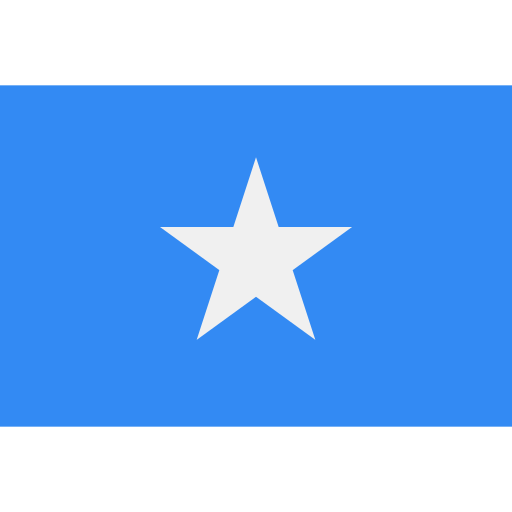 Team: Beth Atieno Omondi (Kenya), Chance Nkurunziza (Rwanda), Mohamed Dahir (Somalia)
Key focus : Helping secondary school students heal from Adverse Childhood Experiences (ACEs)..
Traumatic experiences in childhood can cast a long shadow over a young person’s mental health. The ACEs Prevention Among Adolescents project recognizes this and focuses on identifying secondary school students who have gone through significant Adverse Childhood Experiences (ACEs) in recent years. ACEs can include events like the separation or incarceration of a parent, physical or sexual abuse, the death of a parent or caregiver, witnessing domestic violence, or other serious trauma. Once at-risk students are identified (based on incidents within the last three years), the project team provides a series of supportive sessions to help them process and heal. In the first session, participants are encouraged to draw or write about their experiences – using art and storytelling as an outlet for pain that might be hard to speak aloud. In the second session, trained volunteers with mental health backgrounds lead psychoeducation and group therapy activities, teaching coping strategies and helping the teens realize they are not alone. A third session focuses on reflection and healing, allowing students to observe their progress and supporting them in building resilience for the future. The program may also conduct follow-up interviews with teachers to monitor each student’s improvement in behavior or academics. The entire project runs through the first half of 2026 and will conclude with a report and recommendations delivered to the participating schools by June 2026. By intervening early and providing a safe space to address trauma, this initiative hopes to improve adolescents’ mental well-being and set them on a healthier path forward.
Shining a Light on Lupus: Community Dialogues to Stop Stigma
Lead: Ruth Nazzinda (Uganda)
Key focus : Using documentary film and community forums to break the stigma around lupus.
The “Shining a Light on Lupus” project is mobilizing communities in Uganda to openly discuss a misunderstood illness and combat the stigma surrounding it. Building on a short documentary film of the same name, this initiative provides a platform for Ugandans living with lupus to share their stories and for others to learn about the disease’s realities in a supportive environment.
Through a series of community film screenings followed by moderated discussions, the project raises public awareness about lupus and dispels common misconceptions, while fostering empathy and support for those affected. These dialogues bring together young people, local leaders, healthcare professionals, and lupus patients themselves to exchange knowledge and encourage the formation of local lupus support groups and advocacy networks. By sparking honest conversations, Shining a Light on Lupus aims to cultivate more informed, compassionate communities and ensure no one has to face this chronic illness alone.
Resilient Youth Initiative: Mental Health Awareness for Youth
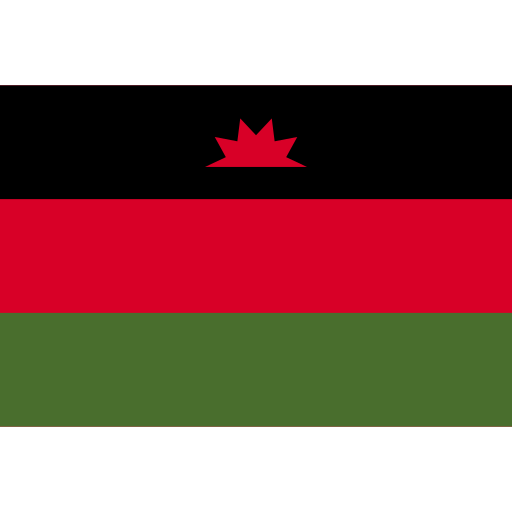 Team: Derrick Byamungu (Uganda), Halima Selemani (Malawi), Shallon Ishimwe (Rwanda)
Key focus : Cross-country effort to educate youth and improve access to mental health support.
The Resilient Youth Initiative aims to improve mental health literacy and support for young people (ages 10–24) across Uganda, Rwanda and Malawi. In many communities, adolescents and college-aged youth struggle with limited knowledge about mental health, pervasive stigma, and poor access to reliable support services.
To bridge these gaps, the project takes a three-pronged approach: education, creative expression, and referral networks. First, culturally tailored mental health education sessions – delivered in local communities and on digital platforms – help teens and young adults build accurate knowledge, positive attitudes and healthier coping practices. Second, the initiative provides safe spaces for youth to express their emotions through art-based activities, fostering peer connection and resilience while enabling early support for those who are struggling. Lastly, the project establishes a simple referral system that links youth with trained mental health professionals and existing community services for further help. By amplifying youth voices and partnering with community groups, the Resilient Youth Initiative is reducing stigma, promoting well-being, and making it easier for young people to get help when they need it.
ChatTherapy Africa: Digital Mental Health Access for East African Youth
Team: Howard Bowa (Malawi), Peter Ogoi (Kenya), Brendah Aryatugumya (Uganda), Emmanuel Iradukunda (Rwanda)
Key focus : An online platform connecting youth to mental health professionals and peer support.
ChatTherapy Africa (CTA) is leveraging technology to bridge the gap between young people and mental health resources across East Africa. This digital platform is being developed to offer on-demand access to mental health professionals, as well as self-help tools and training materials, for youth in Kenya, Uganda, Malawi and Rwanda. A distinguishing feature of CTA is its emphasis on co-creation : the team is working alongside individuals with lived experience of mental health challenges to design a Psychological First Aid (PFA) training curriculum tailored for students. By involving those who have been there, the training content remains culturally inclusive and relevant to the real needs of young people. The platform will host these training resources and also use data analytics to understand user needs and outcomes – fostering data-driven decision-making that can inform better mental health policies in the region. Ultimately, by increasing digital access to qualified counselors and educational tools, ChatTherapy Africa aims to reduce the youth mental health burden across Africa. A teenager in a rural village, for instance, could connect anonymously with a therapist or learn coping skills on their phone, whereas previously such support might have been out of reach. By putting help at their fingertips, CTA aspires to empower young people to seek help early and shape a future where mental health care is just a click away.
Youth have shown that when given creative tools, they don’t just learnIn conclusion, the Sawa Project’s ten seed grant initiatives demonstrate the power of youth-led action to tackle even the most deep-rooted mental health challenges. These young leaders are not only raising awareness and innovating solutions in their own communities; they are also building a regional movement that highlights what’s possible when youth have the resources and support to lead. By investing in youth leadership, we are helping to prove change, not just tell stories – consolidating impact that can be scaled and sustained across Africa. Each project is a testament that with the right support, young people can turn empathy, creativity and courage into life-changing support for their communities – and in doing so, inspire a healthier, more hopeful future for us all.


Empowering young people across Africa through the YMCA movement — in body, mind, and spirit.
Quick Links
Get In Touch
-
AddressState House Crescent, State House Avenue, Nairobi, Kenya
-
PostalP. O. Box 60856 – 00200, Nairobi, Kenya