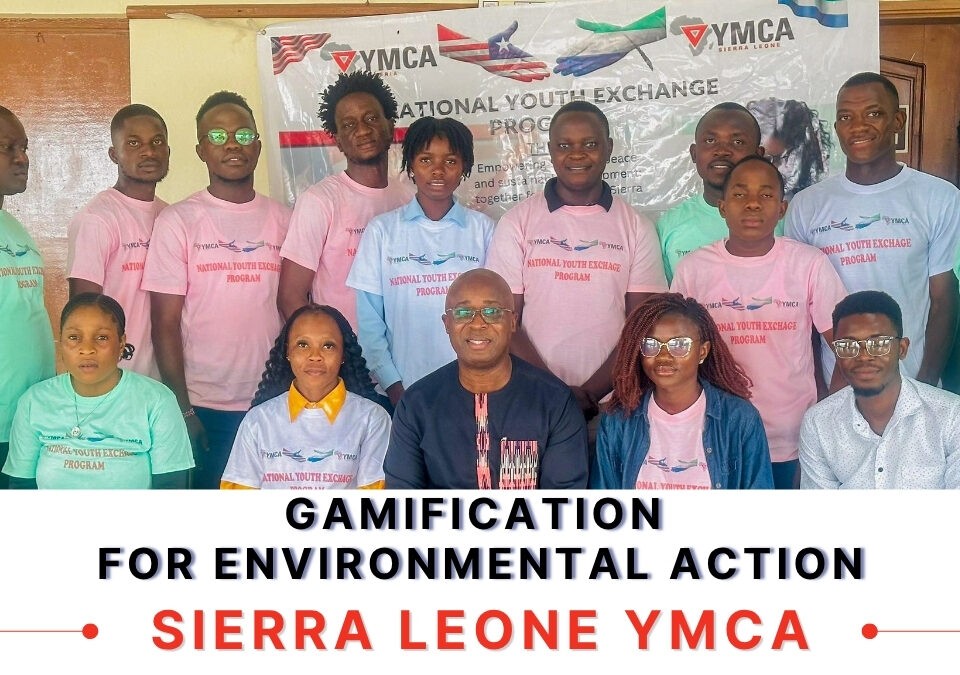




Young people aged 15–24 across sub-Saharan Africa, pushed by climate change into unsafe or illegal ways to survive, including some who have been arrested, imprisoned, or recently released.
Project Summary
Climate change is stripping young people of their livelihoods, and too often what’s left are survival activities that break the law and damage the very environment they depend on. The road frequently ends in arrest, deepening a cycle few interventions ever really interrupt.
This project flips who gets to solve that problem. Through an ongoing collaboration facilitated by YMCA, trained game designers create prototype climate adaptation games, and justice-involved youth then take those prototypes and test them, refine them, and shape them around lived experience no outsider could replicate. Continued support means more young people getting the chance to pick up that pen themselves: more youth reached, more games made, deeper roots for change.
This project flips who gets to solve that problem. Through an ongoing collaboration facilitated by YMCA, trained game designers create prototype climate adaptation games, and justice-involved youth then take those prototypes and test them, refine them, and shape them around lived experience no outsider could replicate. Continued support means more young people getting the chance to pick up that pen themselves: more youth reached, more games made, deeper roots for change.
The Problem, and Why This Is Different
Most rehabilitative and preventative work with justice involved youth overlooks something fundamental: the climate-driven livelihood pressure that so often drives the offence in the first place. This project addresses both problems together. Prototype games teach practical climate adaptation skills in a space existing tools simply don’t reach, while designers work hand in hand with justice-involved youth to test and refine what they’ve built against real lived experience, producing games no outsider could have designed alone. Since piloting began in 2024, the approach has reached 2,150 justice-involved and at-risk youth across four countries.
Design at the Core
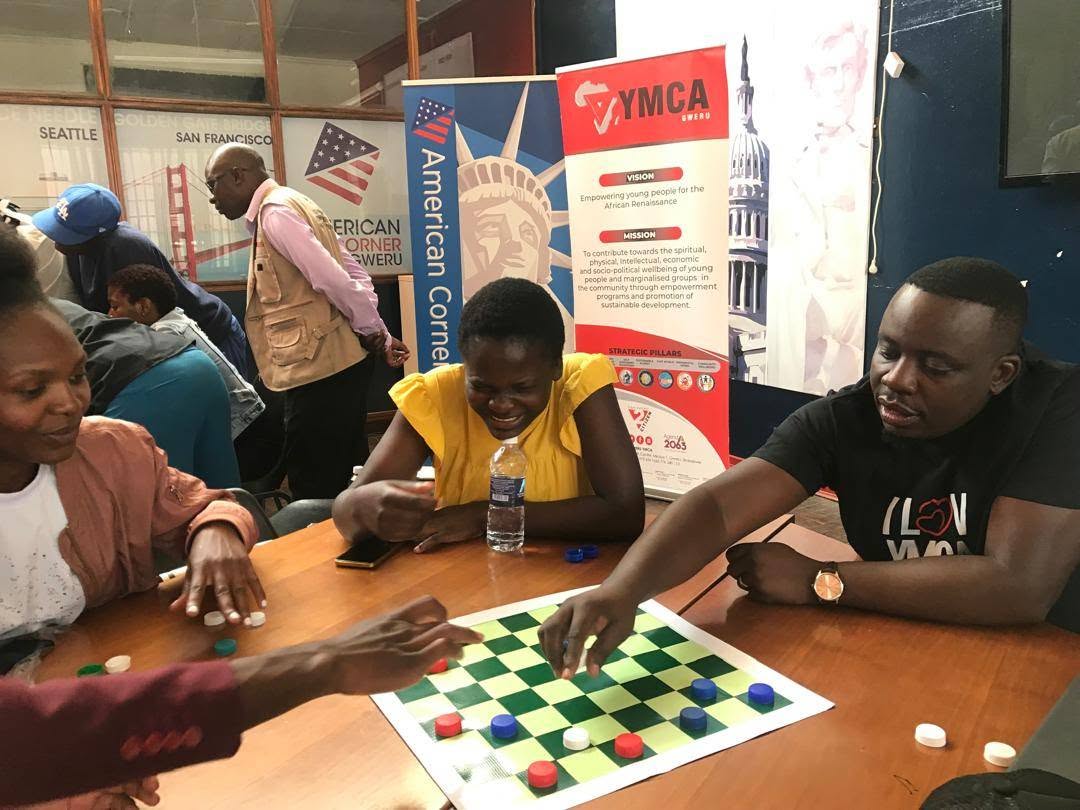
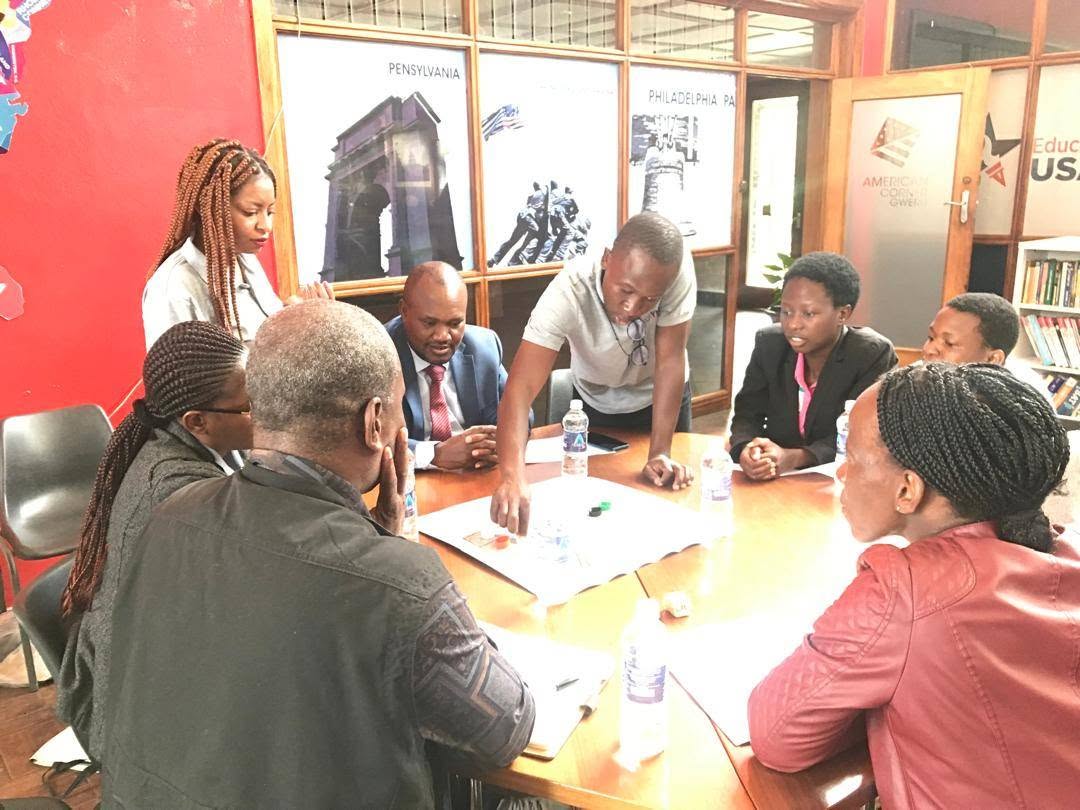
Design thinking and game design sit at the heart of how this project works, not as an add-on but as its defining method. Trained young designers co-create games through iterative prototyping, and justice-involved youth then take on the role of testers, helping refine each one until it earns real buy-in and a genuine sense of shared ownership.
That creative capability is itself part of the point. Young designers gain real, hands-on design skill, carrying a game from first concept through to finished artefact, while justice-involved youth shape what that finished artefact becomes through honest, real-world testing. Even the visual details — the board layouts, the card art, the overall style — come from this same design team rather than an outside studio.
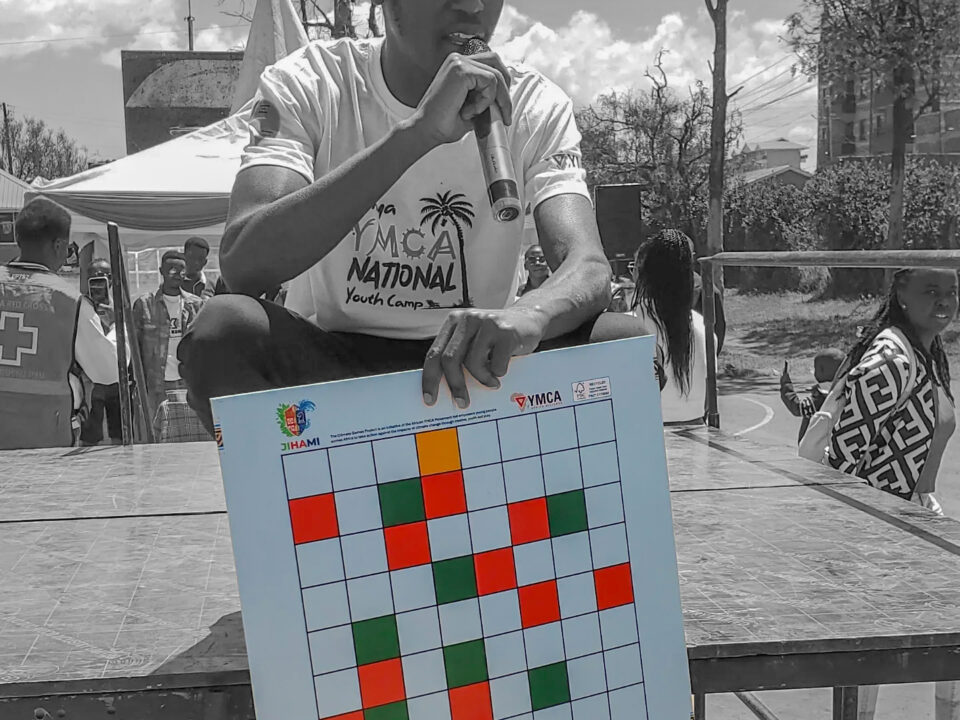
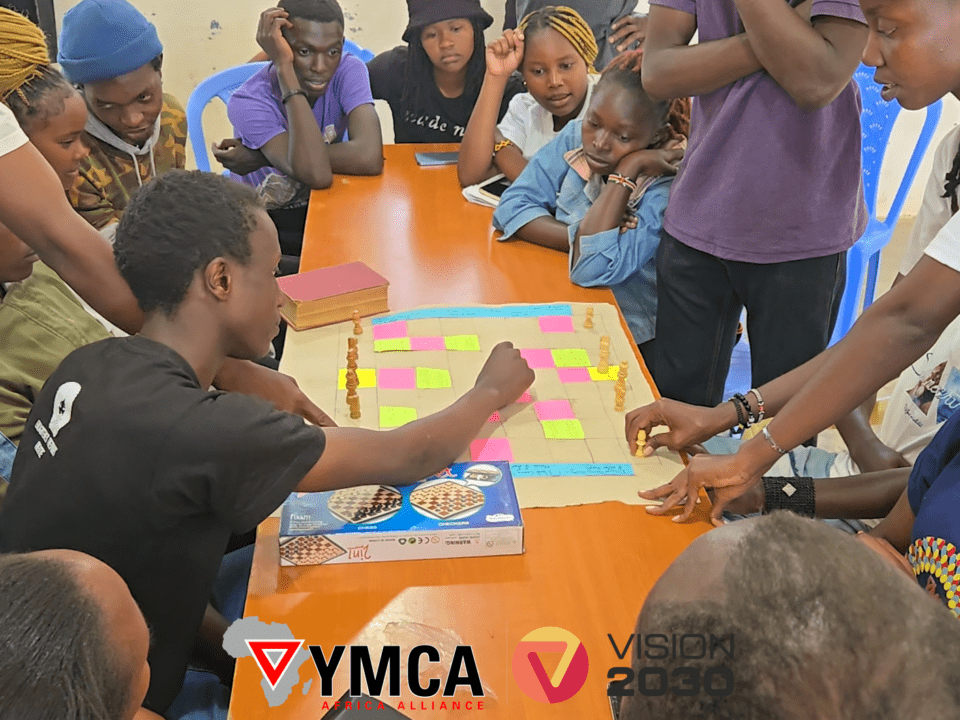
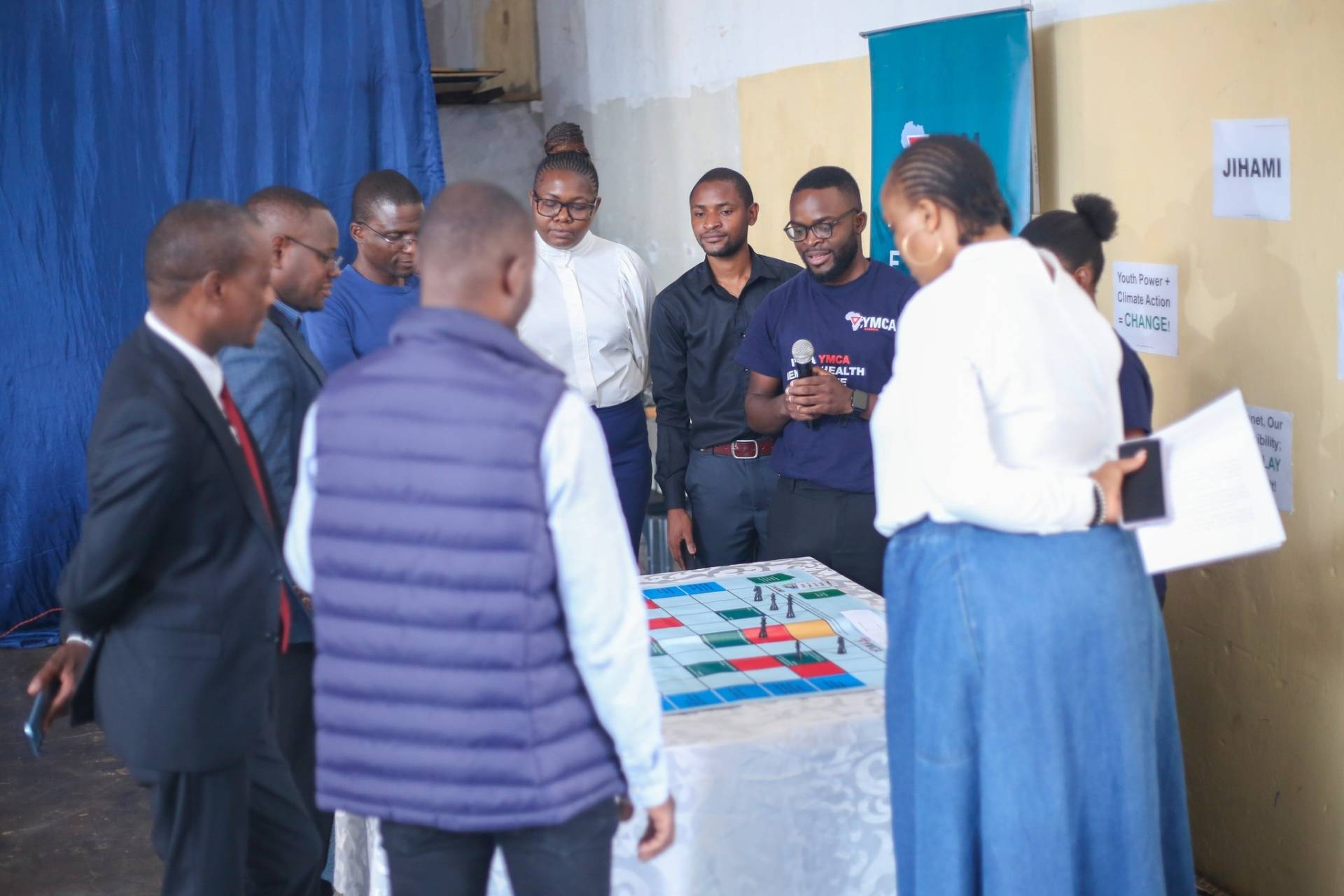
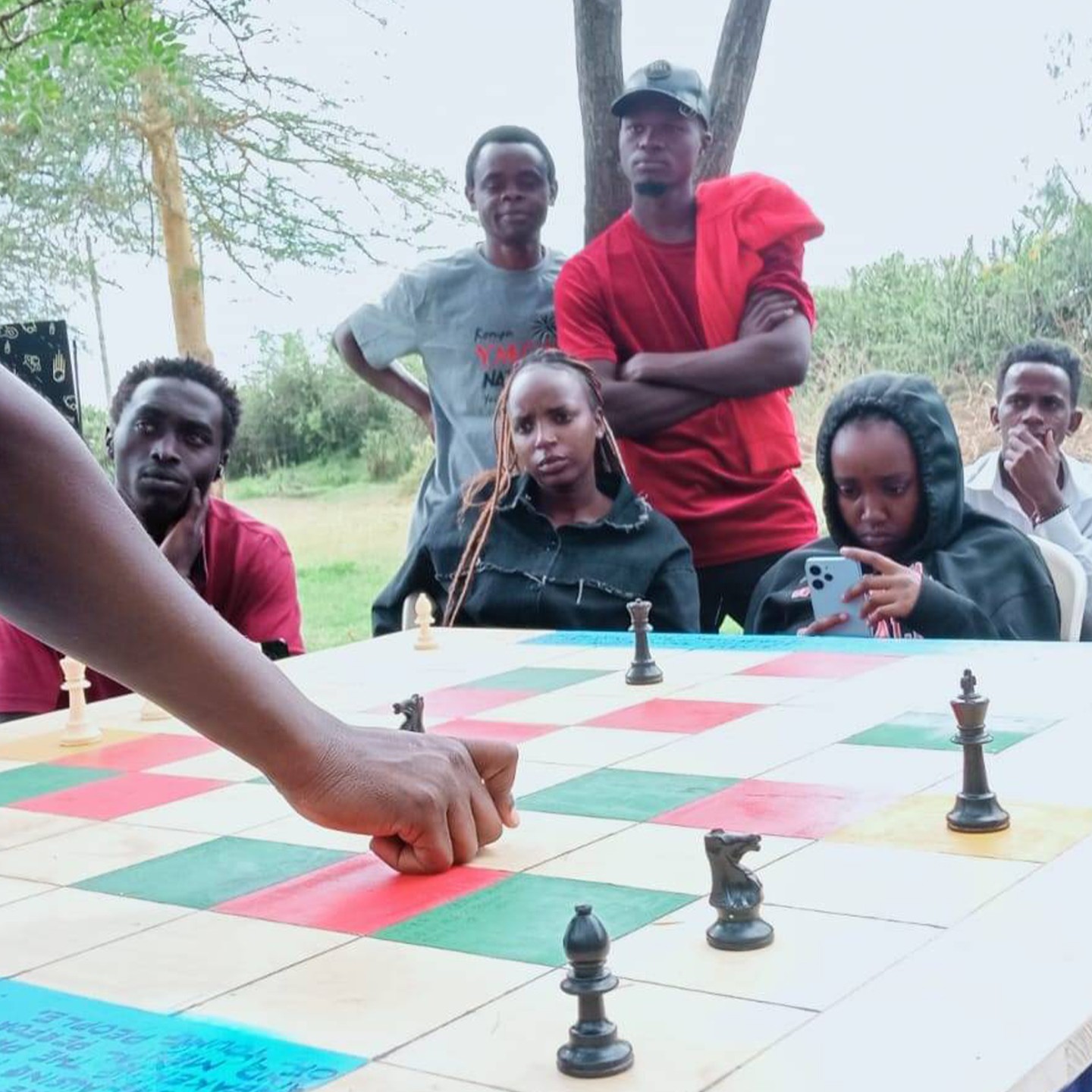
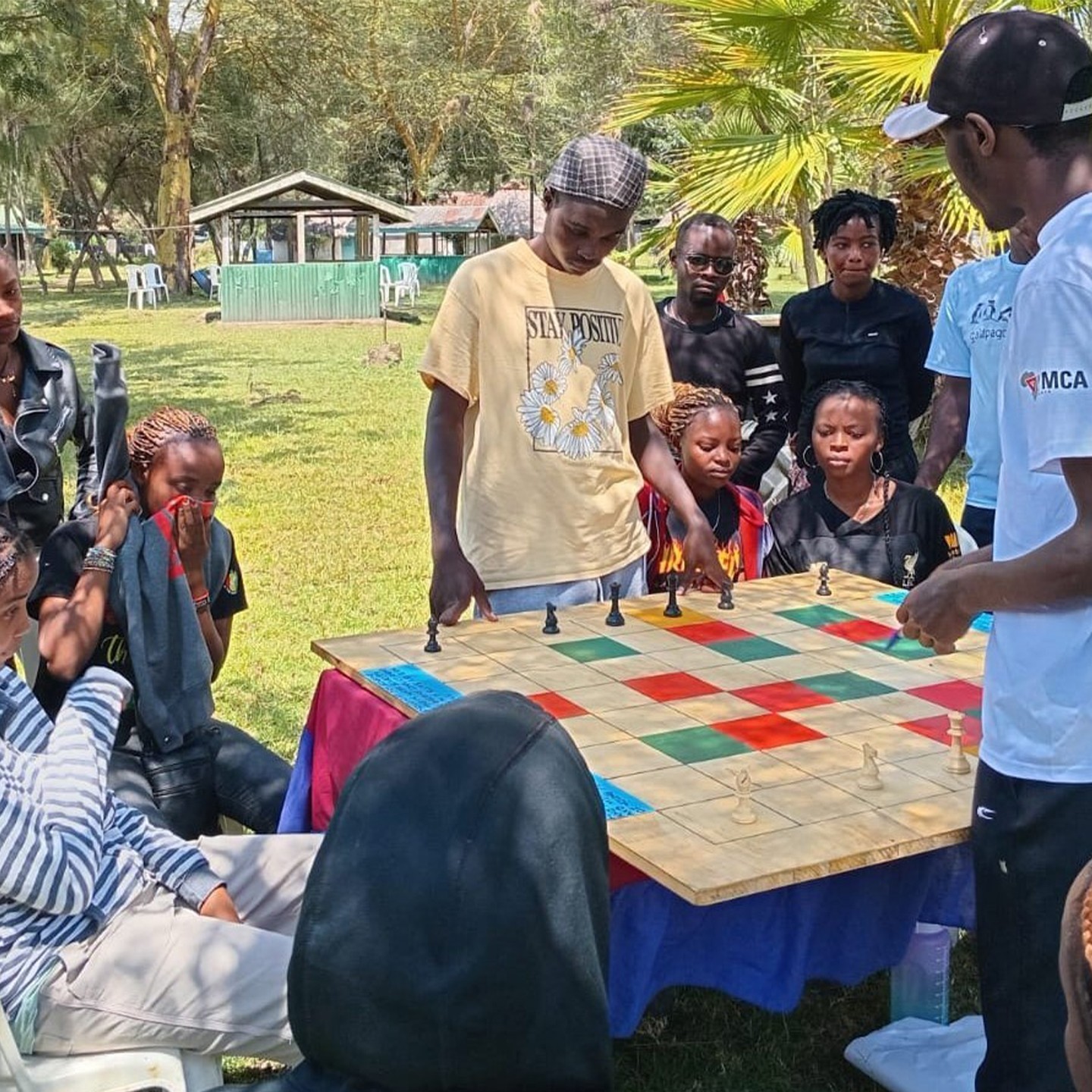
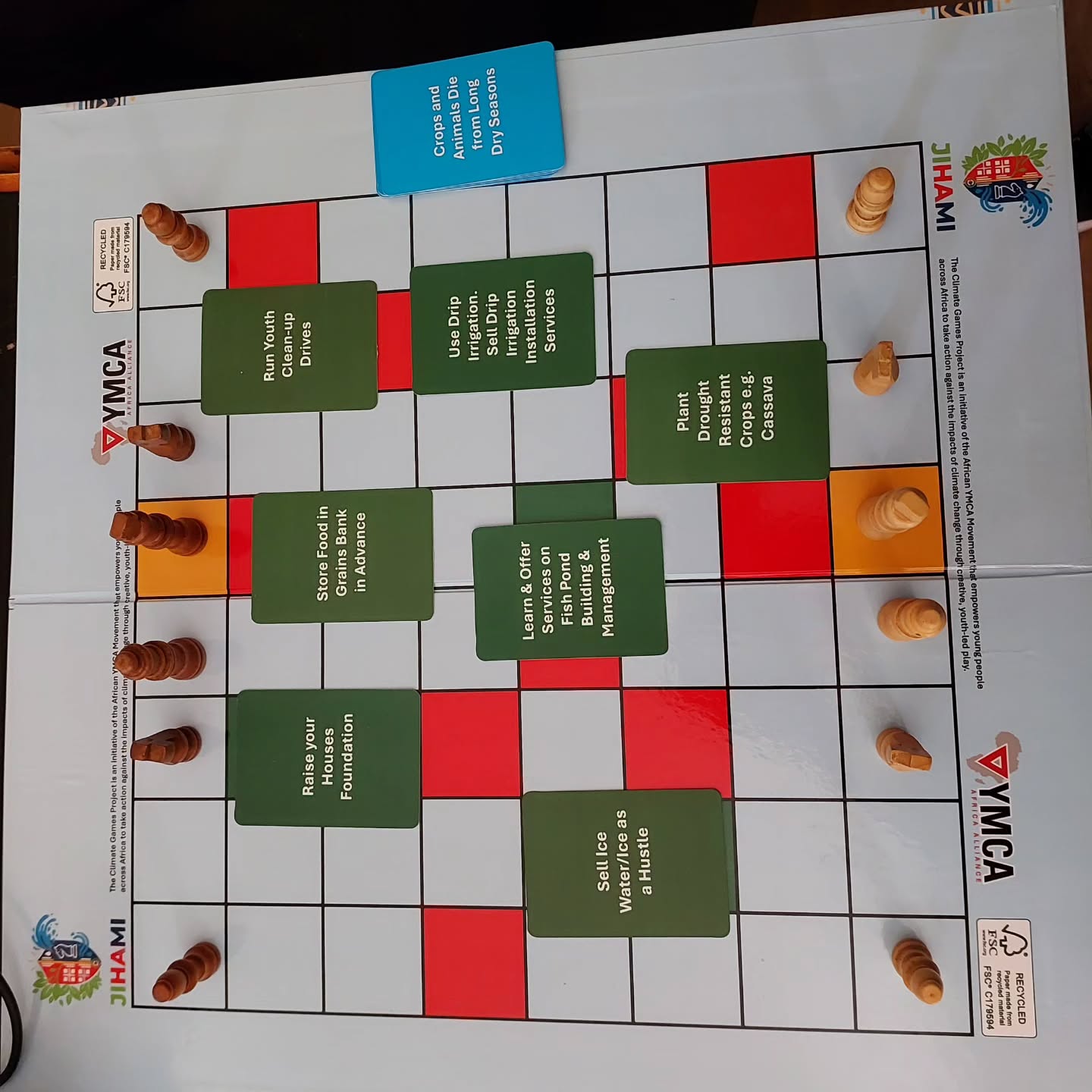
One early experience in Kenya captures why this matters. A Prototype game called Climate Chess left participants dropping out session after session. When youth rebuilt it from the ground up, drawing on their own language and their own sense of what mattered, it became JIHAMI, and engagement came back. It remains one of the clearest illustrations the project has of why youth-led design outperforms expert-led design for this population.
That same rigor extends to how the project learns about itself. Using an Innovation Accounting methodology, the team tracks not just how many activities it runs but how many of those experiments actually produce a validated learning — an honest measure of what’s working and what isn’t. That discipline has now been running for a full year across four countries, and it hasn’t only produced good news: it has surfaced real findings about where assumptions haven’t yet held up, which is exactly what the method is for.
That creative capability is itself part of the point. Young designers gain real, hands-on design skill, carrying a game from first concept through to finished artefact, while justice-involved youth shape what that finished artefact becomes through honest, real-world testing. Even the visual details — the board layouts, the card art, the overall style — come from this same design team rather than an outside studio.
One early experience in Kenya captures why this matters. A Prototype game called Climate Chess left participants dropping out session after session. When youth rebuilt it from the ground up, drawing on their own language and their own sense of what mattered, it became JIHAMI, and engagement came back. It remains one of the clearest illustrations the project has of why youth-led design outperforms expert-led design for this population.
That same rigor extends to how the project learns about itself. Using an Innovation Accounting methodology, the team tracks not just how many activities it runs but how many of those experiments actually produce a validated learning — an honest measure of what’s working and what isn’t. That discipline has now been running for a full year across four countries, and it hasn’t only produced good news: it has surfaced real findings about where assumptions haven’t yet held up, which is exactly what the method is for.
Ethical Standards
At the core of this project is a simple conviction: justice involved youth carry real expertise, not just a history to be managed. Their lived experience is what actually
shapes how games get tested and refined, and trauma informed facilitation makes room for the histories many of them carry. By bringing designers, communities, and officials into the same space, the project quietly softens a power imbalance that both justice work and climate work usually leave untouched.
That same care shows up in the details: games are built in the local languages of the communities they serve, and at least half of all facilitators are women, so that what gets made speaks honestly to the different pressures girls and boys each face under climate stress.
Underneath all of it is one reason this project exists at all: care for the environment itself.
shapes how games get tested and refined, and trauma informed facilitation makes room for the histories many of them carry. By bringing designers, communities, and officials into the same space, the project quietly softens a power imbalance that both justice work and climate work usually leave untouched.
That same care shows up in the details: games are built in the local languages of the communities they serve, and at least half of all facilitators are women, so that what gets made speaks honestly to the different pressures girls and boys each face under climate stress.
Underneath all of it is one reason this project exists at all: care for the environment itself.
A Positive, Dignified Experience
This project recognizes justice-involved youth as full participants, trusting them with real creative responsibility rather than a supervised role on the sidelines. That trust turns out to be its own form of justice: restoring agency through play, friendly competition, and collaboration that make the whole
experience genuinely enjoyable.
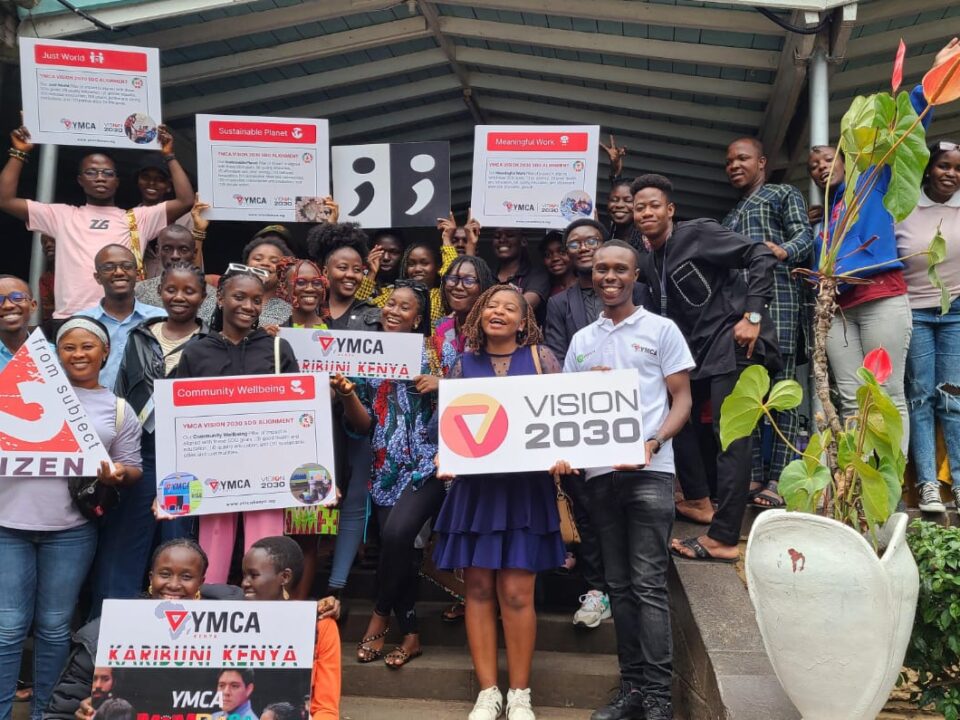
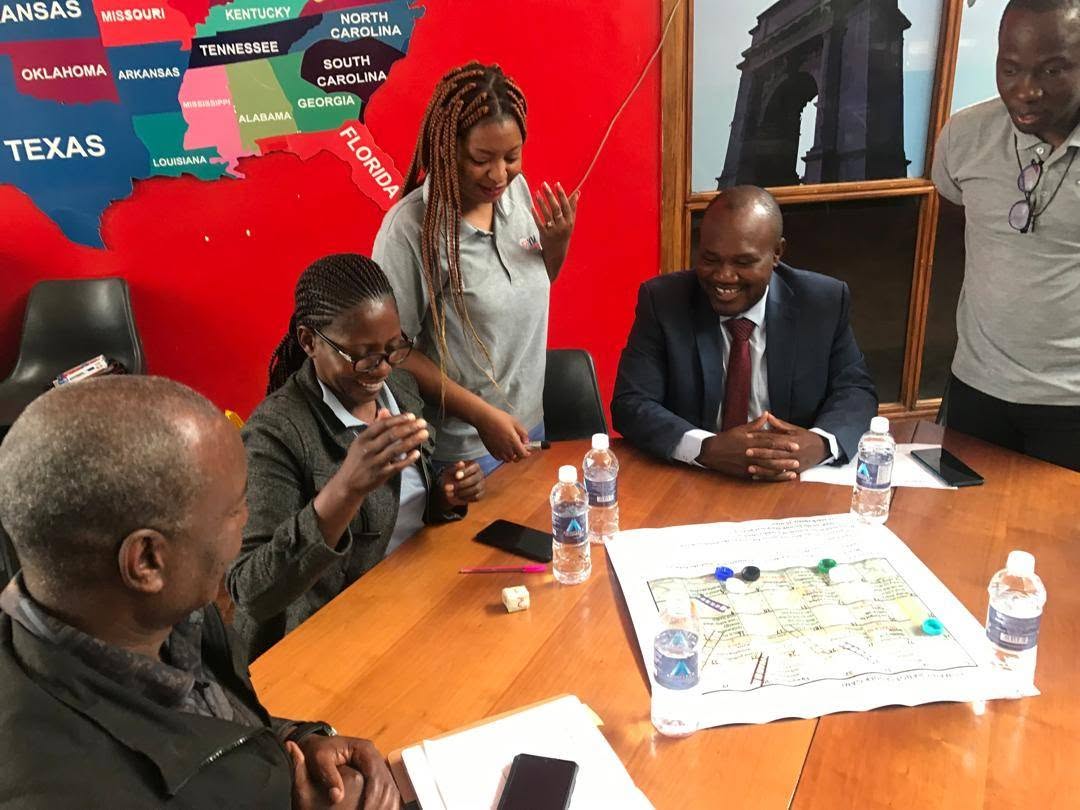
In one site, that trust played out concretely. Justice involved youth who had tested and refined climate games sat down with local policymakers and business leaders for open dialogue on real community concerns, from climate change to expanding sustainable employability, and together they produced a written intergenerational climate action manifesto of shared
commitments.
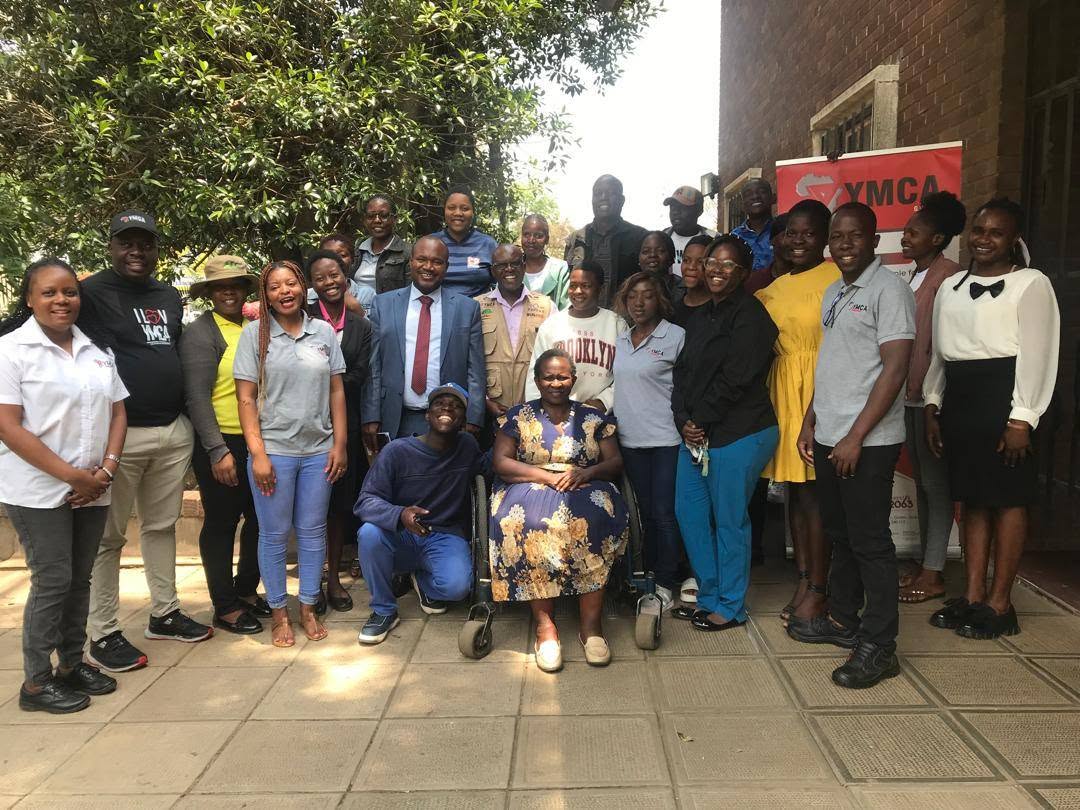
A separate showcase in Zimbabwe carried that same spirit into the public eye: the Mayor of Gweru attended as Guest of Honour, alongside representatives from
nine government departments, marking what’s locally described as the highest level of political endorsement the initiative has received to date.
experience genuinely enjoyable.
In one site, that trust played out concretely. Justice involved youth who had tested and refined climate games sat down with local policymakers and business leaders for open dialogue on real community concerns, from climate change to expanding sustainable employability, and together they produced a written intergenerational climate action manifesto of shared
commitments.
A separate showcase in Zimbabwe carried that same spirit into the public eye: the Mayor of Gweru attended as Guest of Honour, alongside representatives from
nine government departments, marking what’s locally described as the highest level of political endorsement the initiative has received to date.
Looking Ahead
None of this stops here. With continued support from Bread for the World, Forest Stewardship Council, and HP LIFE Foundation, the next phase is already underway, and new partners are being welcomed to help carry these games into places they haven’t yet reached. The real ambition runs deeper than expansion, though: it’s for this way of working — young people designing the very tools that shape their own futures — to become simply how justice and probation systems operate.